Short answer: no, not as your only safety tool. An Aztec death whistle is a replica of an ancient instrument and a great conversation piece, but it is not a safety device. It has not been tested or rated for emergencies, it takes practice to make it scream, and its sound can confuse people rather than bring them to help. If you want something to protect yourself or call for help, carry a purpose-made emergency whistle or personal alarm and a charged phone. Keep the death whistle for fun, collections and Halloween.
We sell a replica Aztec death whistle, so we would love to tell you it doubles as a safety tool. It would not be honest, and on this topic honesty matters more than a sale.
Why people ask about death whistles for self-defense
The appeal is easy to understand. The sound is genuinely unsettling. In a 2024 study from the University of Zurich (Frühholz et al., Communications Psychology, doi 10.1038/s44271-024-00157-7), listeners rated skull whistle sounds as highly aversive and scary, and classified them as partly voice-like and scream-like, partly mechanical. Many listings also advertise very high decibel figures. It is tempting to think: if it sounds this frightening, it must be a good deterrent.
But a frightening sound and a reliable safety tool are not the same thing.
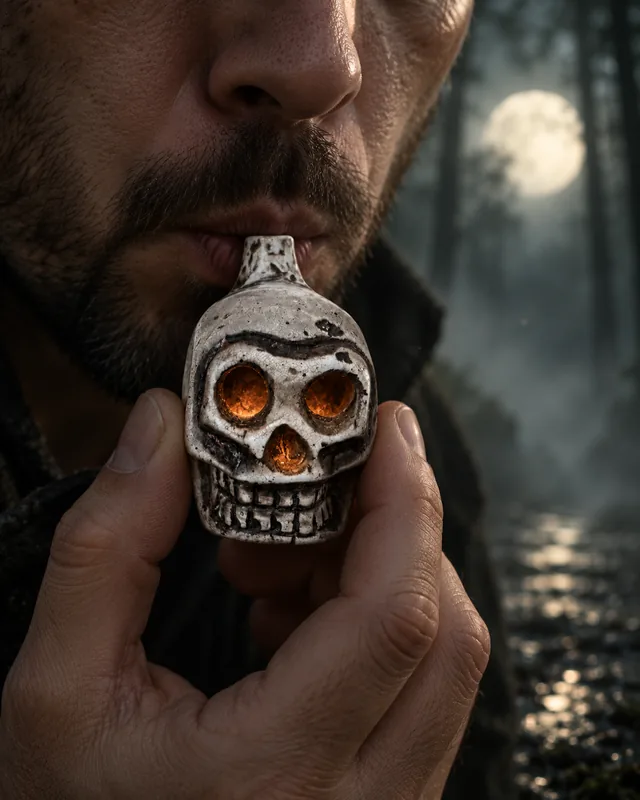
Why it is not a safety device
It is not tested for emergencies. Nobody has published an independent loudness measurement of death whistles, and the “125 dB” figures on listings come without a method. We explain this in how loud is an Aztec death whistle. A safety whistle or alarm should do what it says on the package every time.
It depends on technique. The Zurich study describes a wind-like hiss that becomes shrill and scream-like only “when played with intensive air pressure”. Under stress, out of breath or injured, you may get the hiss, not the scream. A pealess emergency whistle or a pull-pin alarm needs no skill.
The originals were quieter than the legend. Music archaeologist Arnd Adje Both, who tested original excavated whistles, described their sound as far softer, closer to wind noise, according to the Wikipedia summary of his work. The loud scream comes from larger modern reproductions blown hard, so results vary from whistle to whistle.
It is a sculpted replica, not safety gear. A decorative skull is not designed or tested to survive being dropped, crushed or soaked the way purpose-made safety equipment is.
Its sound can confuse people. A recognized emergency signal tells people what is happening. A scream-like noise from an unusual object can make bystanders hesitate, look for a person in distress in the wrong place, or dismiss it as a prank. In public it can also be taken as a false alarm. See are Aztec death whistles illegal? for noise rules and common sense.
What to carry instead
For real safety, choose tools made for the job:
- A charged phone. In an emergency in the US, call 911.
- A purpose-made emergency whistle. A pealess plastic or metal safety whistle is cheap, light, works wet and needs no technique.
- A personal safety alarm. A pull-pin alarm makes a loud, recognizable sound with no breath required.
- Tell someone your plans when you hike, run or travel alone.
Outdoors, the National Park Service recommends carrying a whistle for each person on a hike and using a clear signal: blow three times, take a break, and blow three times again. A standard emergency whistle makes that signal easy and unmistakable.
Where a death whistle does make sense
The death whistle shines where reliability is not a matter of safety:
- Halloween and haunted houses. Few sounds startle a room like it. See our Halloween gift guide.
- History and music collections. It is a replica of a real Mesoamerican instrument, with a story worth telling. Read the history of the Aztec death whistle.
- Sound demos and curiosity. Hear it on our Aztec death whistle sound page and learn how it works.
Use it responsibly
- Never blow it toward anyone’s ear. The CDC notes that a single loud sound near the ear can cause hearing loss.
- Don’t use it to frighten strangers, and don’t use it where it could be mistaken for a real emergency.
- Warn people before a demonstration indoors, and keep it away from babies and pets.
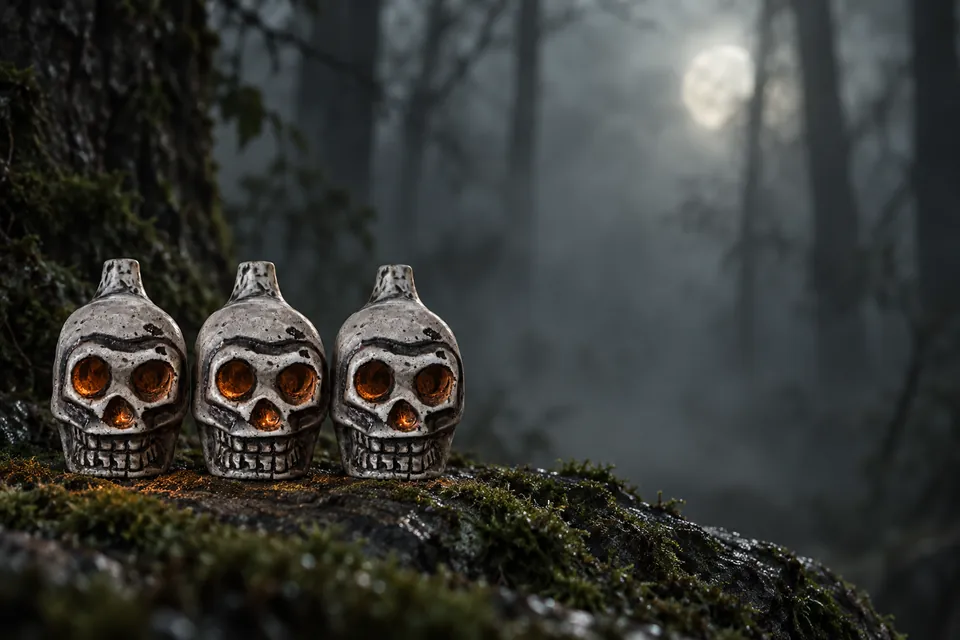
Frequently asked questions
Can an Aztec death whistle be used for self-defense?
We don’t recommend relying on one. It is a novelty replica that has not been tested for emergencies and needs strong, practiced breath to scream. Carry a charged phone and a purpose-made emergency whistle or personal alarm instead.
Is a death whistle louder than a safety whistle?
There is no independent published measurement of death whistle loudness, so no honest comparison can be made. Listing figures like “125 dB” come without a stated method.
Would a death whistle scare off an attacker?
There is no evidence either way. Its sound is rated as scary in listening studies, but that does not make it a proven deterrent, and relying on it could cost you time. Get to safety and call 911.
Is a death whistle good for hiking emergencies?
A standard emergency whistle is the better tool: it needs no technique and makes a clear signal. The National Park Service recommends three blasts, a pause, then three blasts again.
Where can I buy one for fun?
See our replica Aztec death whistle, or start from the home page.